El Paso County
What actually happens at the courthouse
Nobody explains the building. Where to park, what to bring, how long the docket takes and what the words mean. Here is all of it, before your first setting rather than after it.
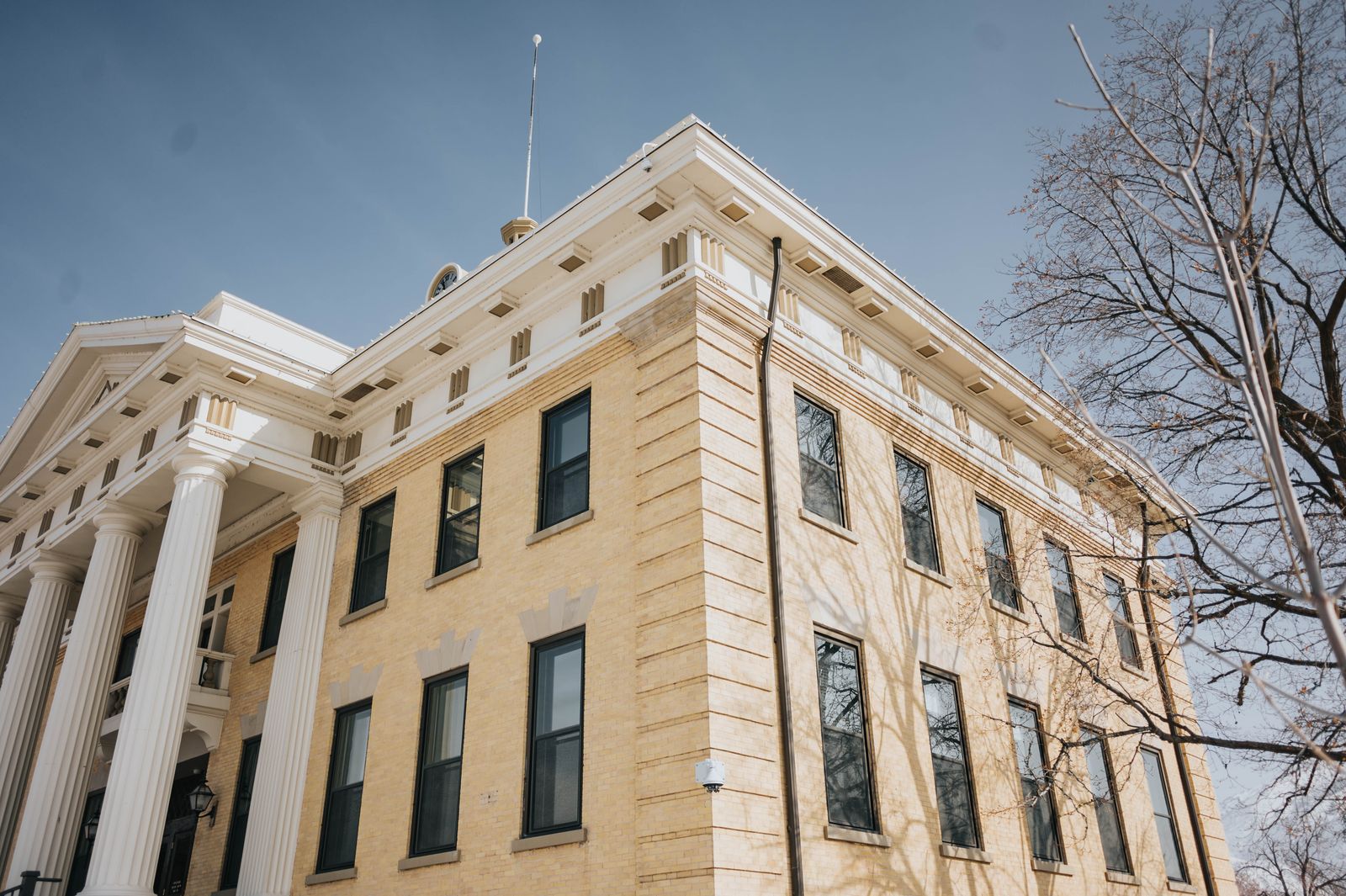
Where family matters are heard

Family matters are heard in the district courts designated for family law business, with associate judges hearing much of the temporary orders and child support docket. Court assignments and docket practice change, so confirm your court and its standing order before every setting.
Our downtown office is four blocks from the courthouse, which means we can walk to a setting and back rather than billing you for parking twice.
What filing costs
| Item | Sample cost |
|---|---|
| District clerk filing fee, new family suit | $350 sample |
| Issuance of citation | $8 sample per party |
| Private process server | $75 to $125 sample |
| Constable service | $85 sample |
| Citation by publication | $250 to $600 sample |
| Certified copy of a final decree | $1 per page plus $5 certification, sample |
Sample figures. Court costs are set by the district clerk and change. An applicant for a protective order may not be charged a filing, service or entry fee.
If you genuinely cannot pay, a Statement of Inability to Afford Payment of Court Costs can be filed with the petition. It is a sworn document and the clerk or the other party may contest it.
E-filing and interpreters
Texas requires electronic filing through eFileTexas for documents filed by attorneys. Self-represented parties may file electronically or in person at the district clerk's office. Filings submitted after midnight are stamped the following business day.
The court provides Spanish language interpreters for hearings on request. Ask the coordinator at least a week before your setting, and tell us early if any witness will testify in Spanish.
The shape of a hearing day
- Night before
Lay out clothes, charge your phone, and read your own affidavit or inventory once more. Print three copies of every exhibit.
- 60 minutes before
Leave home. Downtown parking and courthouse security screening both take longer than you expect before a 9:00 am docket.
- 30 minutes before
Meet your attorney outside the courtroom. This is when last-minute settlement conversations happen in the hallway.
- 9:00 am
Docket call. The coordinator calls each case and announces ready or not ready. Then you wait, sometimes for hours.
- Your setting
Testimony, exhibits, cross-examination. Most temporary orders hearings run under an hour per side.
- Afterwards
The judge rules from the bench or takes it under advisement. Your attorney drafts the order that same week.
Courtroom etiquette
- Arrive thirty minutes early. Security screening at the courthouse entrance is slow before a 9:00 am docket.
- Bring three copies of every exhibit: one for the judge, one for opposing counsel, one for the witness.
- Phones are silenced and put away. Some courts do not permit them in the courtroom at all.
- Address the judge as Your Honour, stand when you speak, and never interrupt the other party's testimony.
- Dress as you would for a job interview. It is not about fashion, it is about showing the court the matter is serious to you.
- Do not bring the children to a hearing unless the judge has specifically asked for them.
The words you will hear
- Petitioner
- The party who filed the suit. Being the petitioner carries no legal advantage.
- Respondent
- The party served with the suit. Their answer is due by 10:00 am on the Monday after twenty days.
- SAPCR
- Suit Affecting the Parent-Child Relationship. Any case about conservatorship, possession or support.
- Conservatorship
- Decision-making rights and duties. Joint managing conservatorship does not mean equal time.
- Possession and access
- The schedule. This is the part people mean when they say custody.
- Temporary orders
- Interim rules governing the case until final judgment. They set a status quo that is hard to move later.
- MSA
- Mediated Settlement Agreement. A compliant one is binding and not subject to revocation.
- Prove-up
- The short final hearing where an agreed decree is granted.
- QDRO
- Qualified Domestic Relations Order. The separate order that divides a retirement plan.
- Standing order
- The county order that attaches automatically to a new family suit and restricts both parties.
- Amicus attorney
- A lawyer appointed to assist the court on the child's best interest. Does not represent the child.
- Ad litem
- An attorney or guardian appointed to represent a child's interests or a party who cannot represent themselves.